 |
 |
 |
 |
 |
|
 |
|
 |
|
 |
|
 |
|
 |
|
|
|
 |
|
|
|
 |
|
|
|
 |
 |
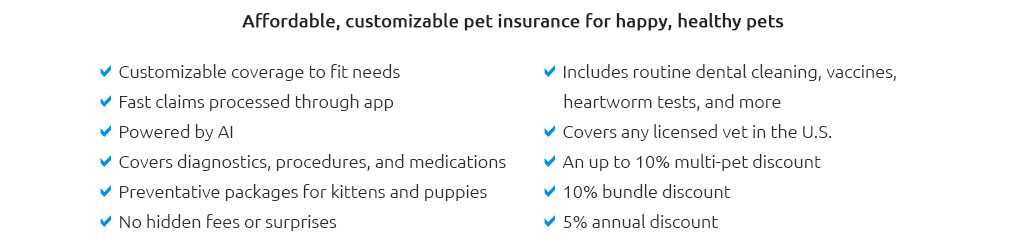
multi pet discount insurance made practical for everyday pet familiesWhat it is and why it mattersI watch households juggle vet visits, food deliveries, and surprise x-rays; the pattern is familiar. One policy per pet piles up. A multi pet discount insurance setup bundles those policies, trims the premium per additional pet, and keeps benefits separated so each animal still has its own coverage. How the discount usually works
Deciding if it fits your householdRelevance first. If you manage more than one companion and cover routine or unpredictable care, the discount can unlock predictable costs while preserving choice of vet. If your pets are young or mixed ages, timing the sign-up can shape long-term savings.
Realistic check: a small discount can be erased if you pick deductibles that are too high to meet in a typical year. Match deductibles to what you actually spend. Cost and coverage, seen in real lifeAt a Saturday clinic checkout, a client adds dental cleaning for the older cat while picking up anti-inflammatory meds for the puppy. The app shows both pets on one screen; the second pet's premium is reduced by the multi-pet rate, and each claim still routes to the correct annual limit. No juggling logins, no mixed-up invoices. Common gotchas to double-check
Compare plans without overwhelmI've seen decisions speed up when people anchor to a small set of signals. Keep your lens tight and the tradeoffs become clear.
If you already have a single-pet policyFold in a second pet by asking the insurer to align renewals, apply the multi-pet discount, and confirm any pro-rated changes this cycle. Keep prior records handy so pre-existing determinations are quick and accurate. Quick decision framework
Quiet confidence comes from fit, not flash. Make the decision that matches your pets' realities, and let the discount support - rather than dictate - the plan you already need.
|
